Tired Landlord in Wisconsin? How to Sell a Tenant-Occupied House (Even With Problem Tenants)
Yes, you can sell a tenant-occupied house in Wisconsin, and selling does not automatically end a tenant’s lease. In general, buyers take the property subject to the tenant’s rights, meaning the lease (and tenant protections) often carry over to the new owner. Landlords can show the property at reasonable times with advance notice, including the commonly referenced 12-hour notice rule (except emergencies or if the tenant agrees to less). Month-to-month tenancies generally require at least 28 days’ written notice to terminate. If you’re a tired landlord dealing with late payments, property damage, or nonstop stress, the cleanest path is usually one of three options: sell with tenants in place, negotiate a voluntary move-out, or (if necessary) pursue the legal process with professional guidance – then sell.
If you’re reading this, chances are you’re not a “bad landlord.” You’re a burned-out landlord.
Maybe you’ve got:
- a tenant who pays late (or not at all)
- a property getting trashed faster than you can fix it
- constant calls, complaints, and excuses
- a rental you inherited and never wanted
- an “easy investment” that turned into a second job
Whatever brought you here, you’re not alone – and you do have options.
At Prime Home Solutions USA, we help Wisconsin owners sell rental properties as-is, including tenant-occupied homes. If you want a private, straightforward way out (without repairs, showings every day, or waiting months), this guide will help you understand what’s possible and what to do next.
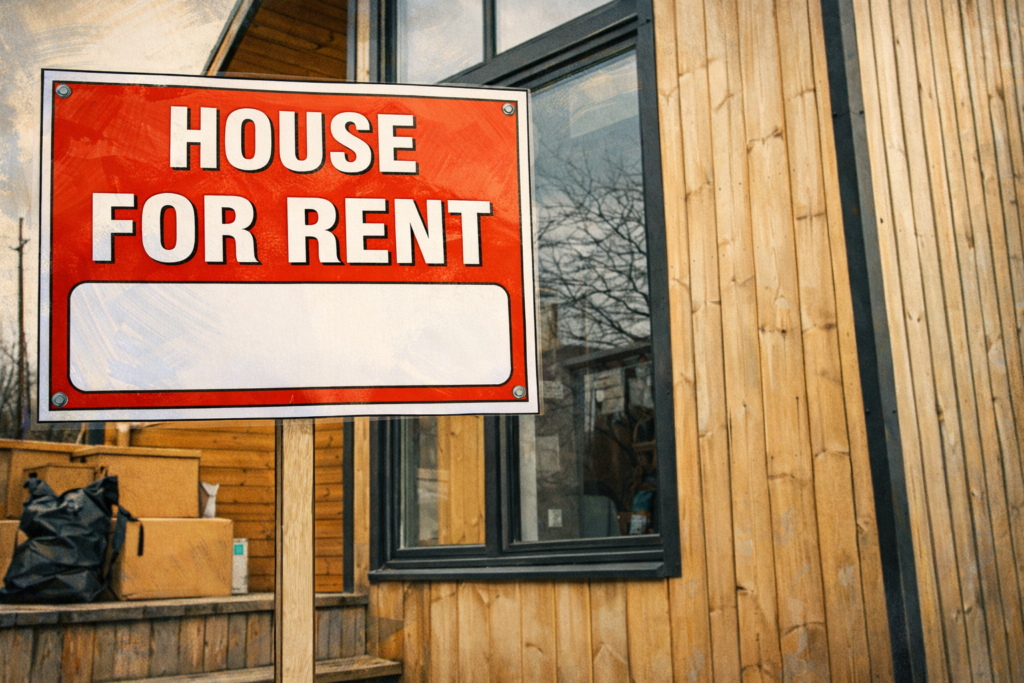
First: Can you sell a house with tenants in Wisconsin?
In many cases, yes, and this is the part that surprises most landlords:
Selling the property does not automatically terminate a lease. In Wisconsin, guidance for tenant-occupied transactions commonly explains that a buyer takes ownership subject to the tenant’s rights, and the new owner generally “steps into the seller’s shoes.”
That’s why the best strategy depends on what you’re dealing with:
- Good tenant you want to keep in place → sell to a buyer who wants a rental.
- Problem tenant you want out → plan around the timeline (and do it the right way).
- Month-to-month vs fixed-term lease → changes what’s realistic, and how fast.
Step 1: Identify what kind of tenancy you have
Before you make any plan, get clear on this:
A) Fixed-term lease (example: ends in 6 months)
A fixed-term lease often runs until the end date unless the lease says otherwise or a legal process changes it. This usually means:
- You can still sell, but many buyers will assume the tenant stays until the lease ends (unless the tenant leaves voluntarily).
B) Month-to-month tenancy
If your tenant is month-to-month, Wisconsin guidance states that termination generally requires at least 28 days’ notice (and the timing must line up correctly with rent periods).
Why this matters: month-to-month can be more flexible for selling vacant, but you still need to follow proper notice rules.
Step 2: Know the rules for showings and entry
Most landlords try to sell and immediately run into conflict: tenants refuse showings, ignore texts, or claim you’re “harassing” them.
Wisconsin guidance commonly points to these basics:
- A landlord may show the unit at reasonable times with advance notice.
- The “advance notice” standard is widely explained as at least 12 hours, unless the tenant agrees to less (and emergencies are treated differently).
Best practice that keeps things calm
- Give written notice (text/email is often used, but document it).
- Offer a few showing windows instead of random drop-ins.
- Be respectful: fewer showings, more structure.
- If it’s a hostile tenant situation, avoid “back-and-forth” and keep communication professional.
If your tenant is already difficult, too many showings can become the spark that turns the situation into a full-blown dispute.
The 3 best options for tired landlords in Wisconsin
Option 1: Sell with tenants in place (often the fastest + least stress)
If your goal is to stop the bleeding – calls, repairs, lost rent – this is usually the cleanest move.
How it works:
- You sell the property “subject to” the existing tenancy/lease.
- The buyer becomes the new landlord and assumes the tenant rights/lease terms.
Pros
- Fastest path (especially with a cash buyer).
- No vacancy period, no rehab, no staging.
- Minimal disruption for the tenant.
Cons
- Sale price can be affected if the tenant is not paying or the unit is damaged.
- Buyers may require documentation (lease, rent roll, deposit info).
Best for: landlords who want out now, even if the house needs work or the tenant is a headache.
✅ Prime Home Solutions USA can buy tenant-occupied properties as-is in Wisconsin, which means you can avoid repairs and the traditional listing process.
Option 2: Negotiate a voluntary move-out
If the tenant is uncooperative or scaring off buyers, a voluntary move-out agreement is sometimes the best middle path.
This is often called “cash for keys,” but the main idea is simple:
- You offer a structured, respectful exit.
- The tenant leaves on a clear date.
- You avoid months of stress and uncertainty.
Best practices:
- Put it in writing.
- Be clear about dates and expectations.
- Keep it respectful (no threats, no pressure tactics).
Best for: landlords who want to sell vacant, but don’t want a long fight.
Option 3: Use the proper legal process (if there’s a real violation)
If rent isn’t being paid or lease terms are being violated, you may need professional guidance and the formal process.
I won’t walk through eviction steps here (that’s legal territory and depends heavily on facts), but here’s what matters from a selling standpoint:
- Selling with tenants still may be possible, even while a landlord is dealing with a dispute.
- A buyer may still purchase, but will price the risk/time into their offer.
- If you want the cleanest exit, a cash buyer can often work around the realities of the situation.
Security deposits and paperwork people forget
When you sell a tenant-occupied property, you need to be organized – because the tenant’s rights don’t vanish.
Have these ready:
- Lease agreement(s).
- Rent ledger (what was paid, what’s owed).
- Any notices you’ve served (if applicable).
- Security deposit amount and records.
Wisconsin real estate/landlord guidance commonly emphasizes that the new owner must honor tenant rights, and that includes handling items like the lease and security deposit responsibilities.
Also, tenants generally must be notified of certain changes in ownership/management contact information within a set timeframe (commonly referenced as within 10 business days for specific changes).
Practical takeaway: if you want a smooth sale, have your paperwork ready. It keeps buyers confident and protects you from “he said / she said” later.
What if the tenant is damaging the property or refusing access?
This is where many landlords get stuck.
Here’s the realistic truth:
- If the unit is in rough shape or the tenant is hostile, traditional buyers may walk.
- Even investor buyers will factor in risk, timelines, and condition.
That doesn’t mean you can’t sell. It means your best buyer is usually one who:
- Buys as-is.
- Understands tenant-occupied situations.
- Won’t require constant showings and perfect presentation.
That’s exactly why tired landlords choose Prime Home Solutions USA: we’re built for “real-life” properties, not HGTV properties.
When selling fast is the best decision
If you’re a landlord who’s exhausted, it’s easy to get trapped thinking:
“I’ll sell after I fix everything.”
“I’ll sell after the tenant leaves.”
“I’ll sell after I catch up on repairs.”
But if the situation is costing you money and peace every month, the best move is often:
Sell now. Stop the stress. Move forward.
Selling fast makes the most sense when:
- The rental is draining your savings.
- You’re worried about bigger damage.
- You’re tired of chasing rent.
- You don’t want to manage contractors or repairs.
- You need certainty, not more chaos.
How Prime Home Solutions USA helps tired landlords in Wisconsin
We help landlords sell rental properties:
- As-is (no repairs)!
- Fast (clear timeline)!
- Private (no public listing if you don’t want one)!
- Tenant-occupied (we understand real-life situations)!
If you’re in Milwaukee, Waukesha County, Racine, Washington County, or elsewhere in Wisconsin, we can give you a straightforward offer and next step.
FAQs
Q: Can I sell my rental property in Wisconsin if the tenant won’t leave?
A: Often yes. Many sales happen with tenants in place, and selling generally doesn’t automatically end a lease – buyers commonly take the property subject to tenant rights.
Q: Can I show my rental to buyers in Wisconsin?
A: Landlords generally may show the unit at reasonable times with advance notice. Wisconsin guidance commonly references 12 hours’ notice unless the tenant agrees to less, and emergencies are treated differently.
Q: If my tenant is month-to-month, how much notice is required to end the tenancy?
A: Wisconsin guidance commonly states that month-to-month termination generally requires at least 28 days’ written notice (and the timing rules matter).
Q: Does selling a house terminate the lease in Wisconsin?
A: Common Wisconsin real estate/landlord guidance states the sale does not terminate a lease and the new owner typically must honor the tenant’s rights and lease terms.
Q: What if the tenant is causing damage or not paying?
A: Your options depend on the facts and the lease. From a selling standpoint, you can often still sell – especially to a cash buyer who buys as-is – but the offer and timeline may reflect risk and condition.
Contact Prime Home Solutions USA
If you’re a tired landlord and you want out without repairs, showings, or months of stress, Prime Home Solutions USA can help.
Call us today at (414)-800-9094 or fill out the form on our website to request your cash offer today!